The modern travel business no longer sells a single service. It sells entire journeys—flights, hotels, ground transport, experiences, insurance, and add-ons—often spanning multiple countries, currencies, and partners.
For Indian travel platforms, online travel agencies (OTAs), destination management companies (DMCs), and B2B travel aggregators, this complexity introduces a critical operational question:
How do you collect, route, convert, and settle payments accurately across borders and multiple stakeholders?
This is where travel payment gateways, multi-currency settlement APIs, cross-border payment routing, and multi-leg travel payments become essential infrastructure rather than optional features.
This blog explains how travel payment integrations work, the challenges unique to Indian travel businesses, and how to design a scalable, compliant payment stack for domestic and international travel operations.
What Are Travel Industry Payment Integrations?
Travel industry payment integrations are backend systems that enable travel businesses to:
- Accept payments from domestic and international customers.
- Route funds to multiple suppliers.
- Support currency conversion with clear visibility.
- Manage cross-border settlements.
- Automate reconciliation and reporting.
These capabilities are typically delivered via API-based payment and payout infrastructure, allowing payment logic to be embedded directly into booking and finance workflows.
Key Definitions
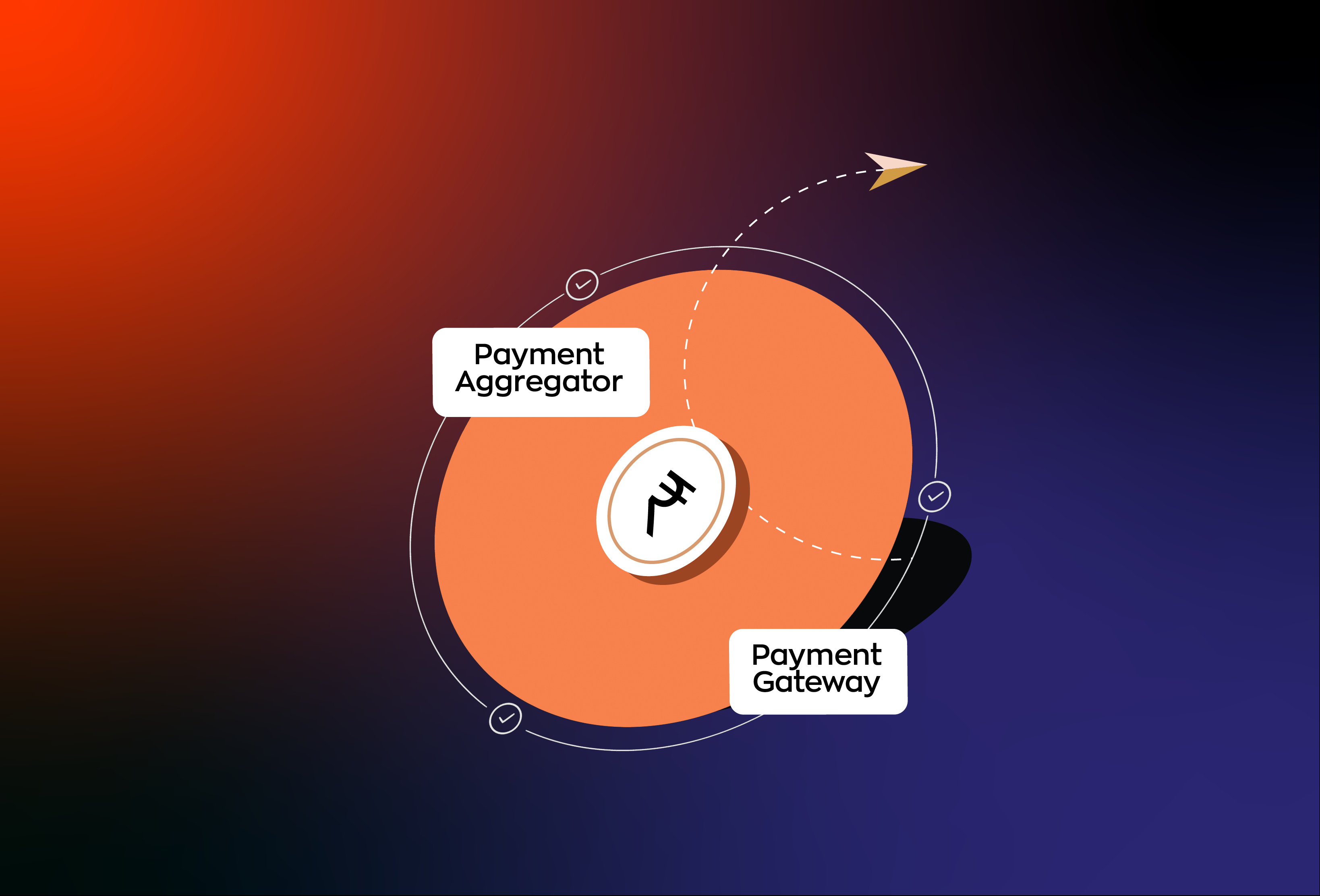
Travel payment gateway
A payment system designed for travel use cases, supporting domestic and international payment methods while enabling refunds, split settlements, and delayed payouts.
Multi-currency settlement APIs
APIs that allow businesses to collect funds in one currency and settle payouts in another, using defined FX logic and automated accounting.
Cross-border payment routing
The process of routing international payments in compliance with Indian regulations, including FEMA and RBI guidelines.
Multi-leg travel payments
Payments where a single customer transaction is split across multiple services or suppliers, such as airlines, hotels, and local operators.
Why Travel Payments Are More Complex Than Standard Commerce
Unlike retail or SaaS transactions, travel payments are often stateful. The payment lifecycle frequently extends beyond checkout, encompassing cancellations, amendments, partial refunds, chargebacks, and delayed service delivery.
Travel platforms typically manage multiple stakeholders across geographies, each operating with different settlement timelines, currencies, and contractual terms. Payments may need to be split, routed, and settled at different stages, while commissions and margins are tracked in parallel.
This operating model requires accurate currency handling, robust routing logic, compliant cross-border settlements, and continuous reconciliation across partners. At scale, manual workflows or generic payment setups can quickly become operational bottlenecks, increasing the risk of errors, delays, and compliance gaps.
Core Challenges for Indian Travel Businesses
1. Multi-currency acceptance and settlement
Indian travel companies often collect payments in INR while settling suppliers in foreign currencies. Without dedicated multi-currency settlement infrastructure, businesses may encounter inconsistent FX rates, manual conversion workflows, and reconciliation mismatches across bookings and payouts.
2. Cross-border compliance
International travel payments must align with Indian regulatory requirements, including FEMA guidelines, RBI reporting obligations, purpose code classifications, and applicable tax and remittance rules. Incorrect routing or classification can lead to settlement delays, reconciliation issues, or regulatory scrutiny.
3. Multi-leg supplier settlements
A single travel booking may involve payouts to multiple suppliers, each with distinct settlement timelines and contractual conditions. Manual settlement processes often result in payment delays, supplier disputes, and cash flow inefficiencies.
4. Refunds, chargebacks, and amendments
Travel bookings are subject to frequent changes. Managing refunds, amendments, and chargebacks across currencies and suppliers requires structured payment logic that generic payment systems typically do not support out of the box.
How Modern Travel Payment Integrations Work
Step-by-Step Payment Flow
Step 1: Payment collection
Accept domestic and international payment methods through a travel payment gateway.
Step 2: Currency handling
Apply defined FX rules and track balances across currencies for accurate accounting and settlement planning.
Step 3: Cross-border routing
Route transactions through compliant payment corridors with appropriate purpose code classification.
Step 4: Multi-leg allocation
Allocate funds across suppliers and platform commissions based on booking logic and contractual terms.
Step 5: Settlement and reconciliation
Initiate supplier payouts and generate structured reconciliation and reporting outputs.
Travel Payment Gateways vs Generic Payment Setups
| Capability | Generic payments | Travel-focused integrations |
| Multi-leg payouts | Limited support | Built for multi-party allocation |
| Multi-currency settlements | Partial support | Workflow-native multi-currency handling |
| Deferred settlements | Limited flexibility | Designed for delayed and staged settlements |
| FX transparency | Low visibility | Higher visibility and tracking |
| Automated reconciliation | Basic transaction-level | Advanced booking- and supplier-level |
| Regulatory alignment | Manual process | Programmatic workflows aligned with compliance needs |
Common Mistakes Travel Businesses Make
- Treating travel payments like standard e-commerce.
- Ignoring FX impact on margins.
- Relying on manual supplier settlements.
- Addressing compliance only after scaling.
Choosing the Right Payment Architecture
When evaluating travel payment integrations, ask:
- Does it support multi-leg travel payments?
- Can it handle cross-border payment routing compliantly?
- Are multi-currency settlement APIs built-in or patched?
- Is reconciliation API-driven and auditable?
Conclusion
As travel businesses scale across geographies, currencies, and supplier networks, payments can no longer be treated as a background function. The complexity of multi-leg bookings, cross-border settlements, FX exposure, refunds, and compliance makes payment architecture a strategic decision rather than a technical afterthought.
For Indian travel platforms navigating these challenges, API-first payment orchestration layers can help structure and manage complex payment workflows more effectively. By enabling programmatic handling of collections, allocations, routing, and reconciliation within applicable regulatory frameworks, such platforms allow travel businesses to focus on growth while maintaining visibility, control, and operational discipline across their payment stack.