Choosing the best payment gateway in India is no longer just about collecting payments online. As businesses scale, payments begin to affect reconciliation efforts, settlement predictability, finance workloads, and customer experience.
This guide compares leading options and helps you select the right payment gateway for businesses based on growth stage and transaction volume — not just pricing.
Startups optimize onboarding speed.
Scaling companies optimize operational reliability.
That’s where the difference between a simple checkout and a high-volume payment gateway becomes clear.
TL;DR: Choosing the Right Gateway for 2026
| Business Stage | Key Priority | Recommended Approach |
| Startups | Speed of Onboarding | Standard API-based gateways |
| Growing SMBs | Success Rates & Settlement | Payment infrastructure with automated reconciliation |
| Enterprises | Automation & Treasury | Zwitch: High-volume payment gateway with deep ERP sync |
What is a Payment Gateway?
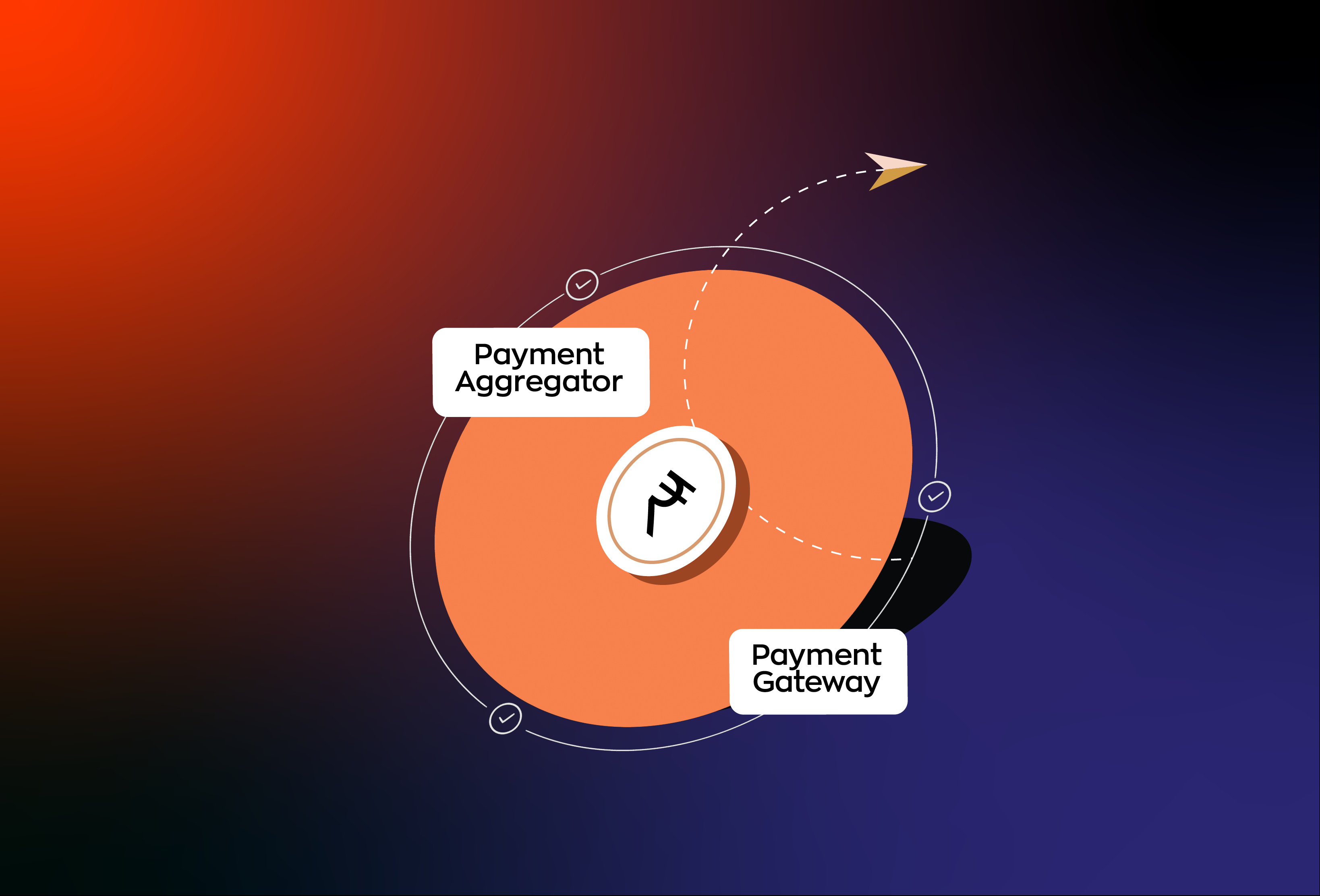
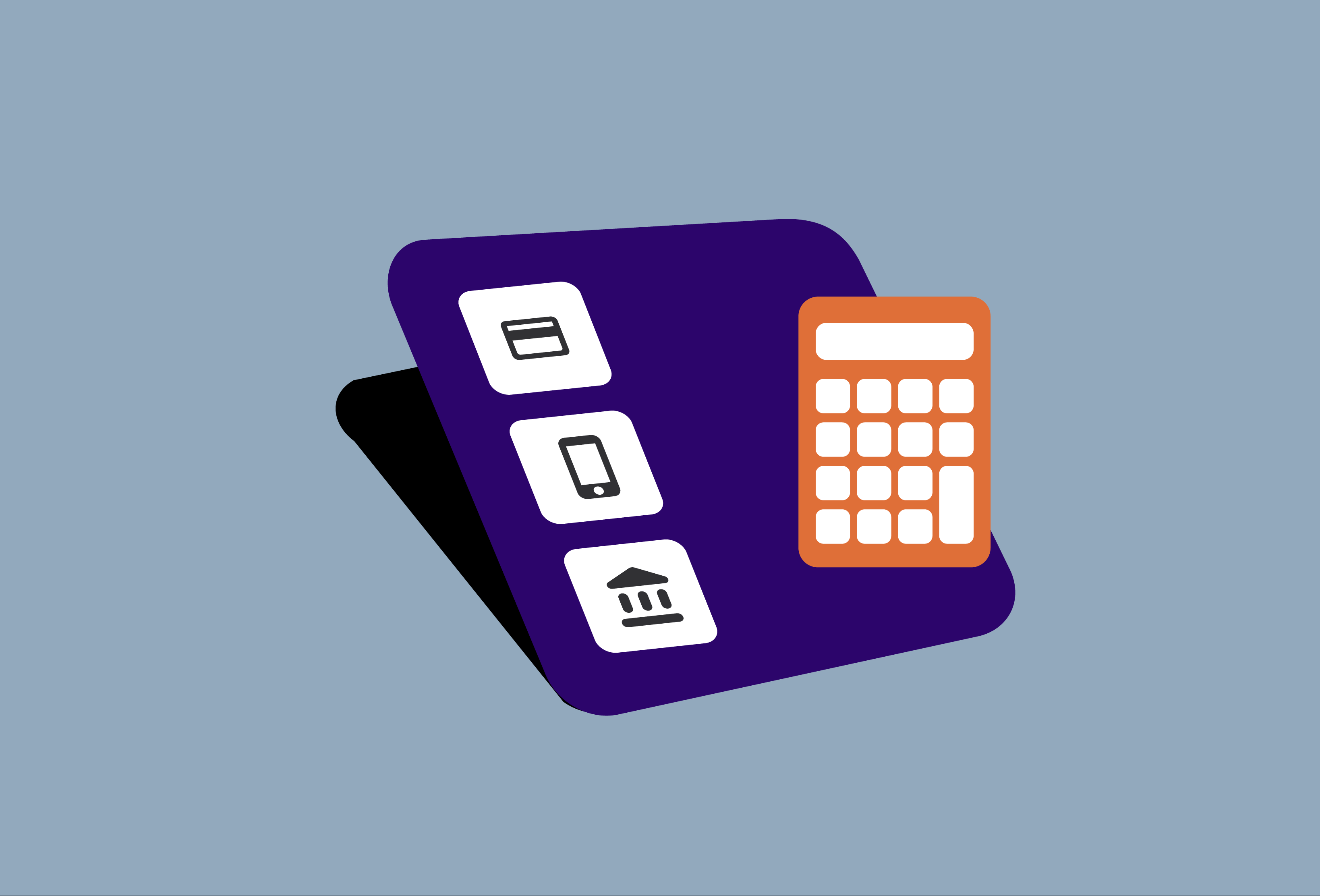
A payment gateway is a secure digital tunnel that transmits sensitive payment data (from UPI, cards, or net banking) to banks for authorization. It ensures encryption, detects fraud, and manages the settlement of funds into your business account.
However, in 2026, the definition has expanded. Modern systems now function as a high-volume payment gateway, handling not just the “Buy” button, but also automated tax compliance, split settlements, and instant refunds.
How to Choose the Best Payment Gateway for Businesses
Selecting a partner is a strategic decision. Before signing up, evaluate these four pillars of growth:
Settlement Predictability – Clear settlement cycles help cash-flow planning
Success Rates & Routing – Smart routing improves payment completion
Finance Automation – Auto-matching payments to invoices reduces manual work
Compliance Readiness – RBI-licensed payment aggregators and secure authentication
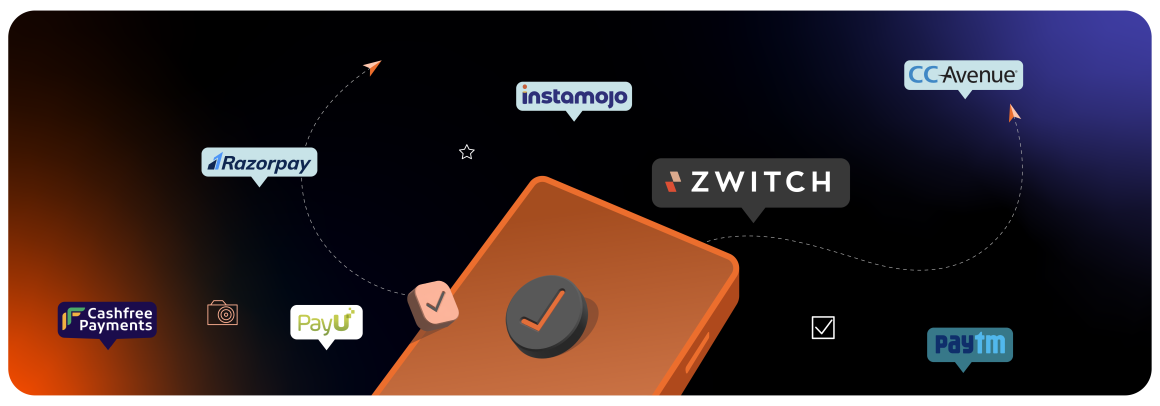
Top Payment Gateway in India
1. Zwitch (Editor’s Pick)
Zwitch works as a payments infrastructure layer rather than a basic checkout provider. Instead of only accepting payments, it controls the entire lifecycle — collection, settlement, reconciliation, and payouts — inside a single operational workflow.
This makes it suitable as an enterprise payment gateway in India for companies processing large transaction volumes. Marketplaces, SaaS platforms, and aggregators often face problems after payment: mismatched records, unclear settlements, and manual accounting effort. Zwitch converts payments into structured operational data instead of isolated transactions.
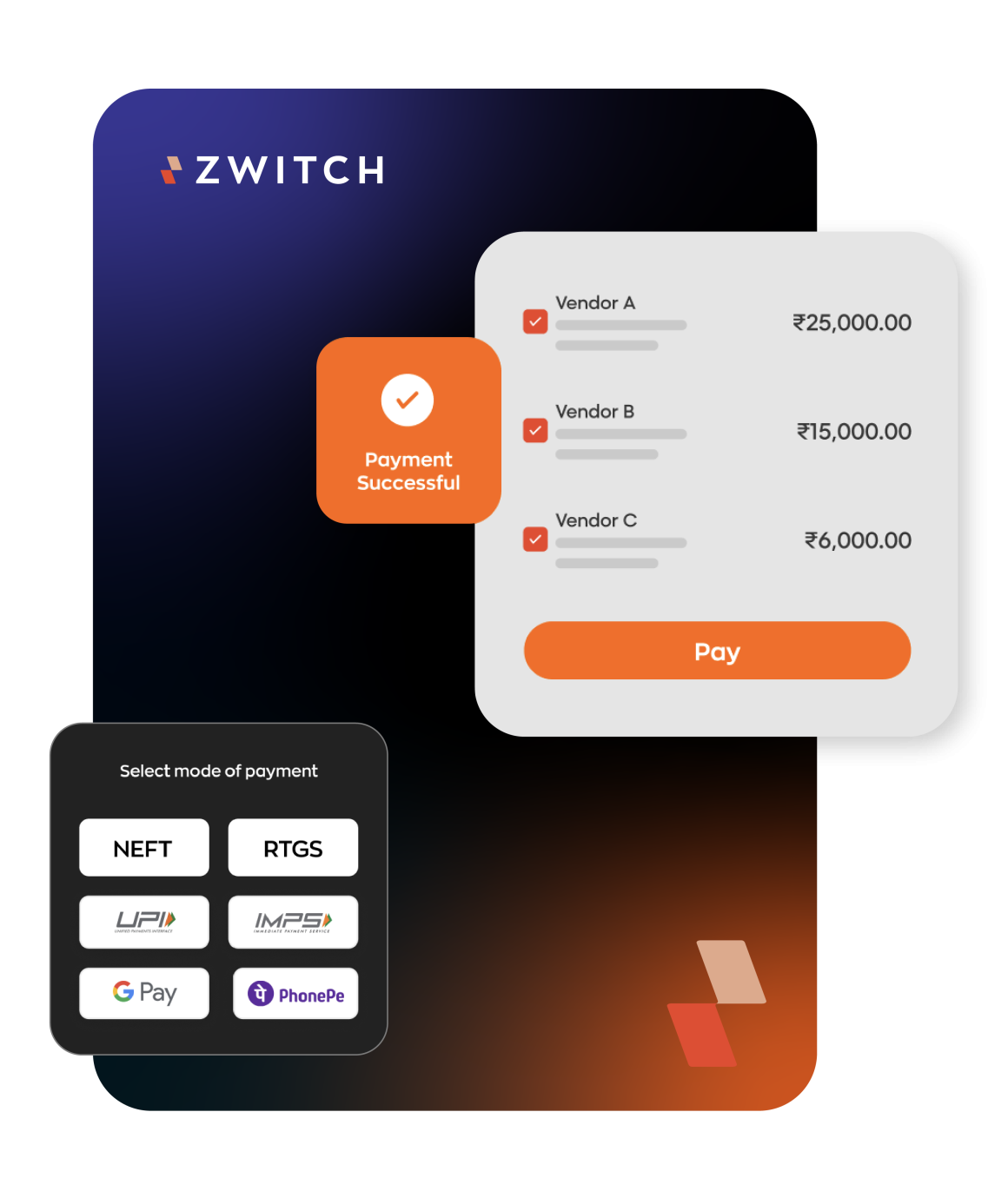
Because of this architecture, Zwitch fits high-volume payment gateway use cases where finance teams need predictable outcomes and product teams need deep integrations.
Key Features
- Integrated Financial Infrastructure: Combines cards, UPI, and wallets into a single API stack for smooth platform integration.
- Automated Reconciliation & Bill Connect: Automatically matches payments to invoices and ERP records, eliminating manual checks.
- Programmable Payouts & Split Settlements: Set custom rules for fund distribution to vendors and partners, with instant activation for new beneficiaries.
- Enterprise-Grade Compliance & Security: Bank-grade, PCI-DSS architecture with built-in KYC and GST compliance.
- Real-Time Operational Intelligence: Trigger webhooks at every payment stage for live product responses.
- Predictable Settlements: Receive funds reliably with T+1 account settlements via Zwitch.
- API-First Integrations: Seamlessly embed payments and payouts into your platform through developer-friendly APIs.
| Pros | Cons |
| Unified API stack: Streamlines payments, payouts, onboarding, and revenue ops in one platform. | Requires initial technical integration to unlock full API capabilities, though documentation and support make it smooth. |
| It may feel feature-rich for very simple or early-stage merchants. | Best suited for businesses with a technical team, though onboarding guides make it manageable. |
| Automated reconciliation & ERP connectivity: Saves time and reduces errors in financial operations. | It may feel feature-rich for early-stage merchants. |
| Predictable settlements: Reliable T+1 payouts for better cash flow planning. | |
| Programmable payouts & split settlements: Flexible fund distribution for vendors, partners, and internal teams. | |
| Real-time operational intelligence: Webhooks and triggers for instant reaction to events. |
Cost: Custom pricing based on business profile.
2. Paytm Payment Gateway
The Paytm Payment Gateway leverages its massive consumer app user base to provide a familiar and fast checkout experience. It is particularly strong for mobile-first apps where UPI and the Paytm Wallet are the primary payment methods.
Key Features
- Enable a 1-click checkout experience for the millions of active Paytm app users.
- Prioritize UPI payments with a deep integration into the NPCI ecosystem.
- Accept payments via the Paytm Wallet, Postpaid, and bank accounts.
- Access a simplified merchant dashboard for tracking daily sales and refunds.
- Integrate quickly using lightweight SDKs built specifically for mobile apps.
| Pros | Cons |
| Extremely familiar among Indian mobile users. | Very limited room for UI/UX customization on the checkout page. |
| Quick to set up if you’re operating within the Paytm ecosystem | Detailed financial reporting can feel fragmented and hard to export. |
| Suitable for app-based businesses focused on UPI and wallet payments | Heavy dependency on the Paytm platform ecosystem for features. |
Cost: Varies by payment mode (UPI is often lower).
3. Razorpay
Razorpay is one of the most commonly used payment gateways for startups and D2C businesses launching online collections. It focuses on fast onboarding and ready checkout components so teams can begin accepting payments quickly.
It works best for early-stage businesses, though growing companies often need additional tools for reconciliation and reporting.
Key Features
- Access a hosted checkout page that is optimized for mobile and web conversions.
- Automate recurring billing and e-mandates for subscription-based business models.
- Generate and share payment links via WhatsApp, SMS, or email to collect funds instantly.
- View basic transaction success rates and customer demographics through a standard dashboard.
- Integrate with a massive ecosystem of third-party apps like Shopify and WooCommerce.
| Pros | Cons |
| Fast onboarding for businesses just getting started with online payments | Reconciliation can become a manual burden at high volumes. |
| Good documentation for developer teams building their first integration | Settlement tracking requires significant effort as the business grows. |
| Useful for early-stage businesses with straightforward payment needs | Transaction costs can become expensive as your volume increases. |
Cost: ~2.0% per transaction
4. Cashfree
Cashfree is a specialized choice for Indian marketplaces and platforms that require seamless fund routing. It is popular when businesses need to transfer funds to multiple beneficiaries quickly.
Key Features
- Send money to bank accounts or UPI IDs 24/7, even on bank holidays.
- Automatically split a single customer payment into vendor earnings and platform fees.
- Use AI to route transactions through the best-performing bank for maximum success.
- Access your funds in as little as 15 minutes to maintain a steady cash flow.
- Verify bank accounts and UPI IDs in real-time before initiating any transfers.
| Pros | Cons |
| Ideal for bulk disbursements and vendor-heavy business models. | The technical interface can be complex for non-developers. |
| Often offers competitive UPI rates for high-volume merchants. | Customer service response times can be slow for smaller accounts. |
| Multiple settlement cycles are available to suit your specific cash flow needs. | Onboarding for international payments can be a lengthy process. |
Cost: ~1.9% – 2.4%
5. PayU
PayU is commonly used by e-commerce companies that prioritize transaction success rates and broad payment coverage. It focuses on acceptance reliability more than operational automation.
Key Features
- Utilize smart routing technology to switch between bank gateways during downtime.
- Provide customers with flexible EMI options from all major banks and NBFCs.
- Accept payments in over 100+ foreign currencies for global customers.
- Store customer card details securely using industry-standard tokenization.
- Customize the checkout experience to match your brand’s look and feel.
| Pros | Cons |
| Uses smart routing to maintain acceptance rates during bank downtimes | The onboarding process is more rigorous and document-heavy. |
| Covers a wide range of local and global payment methods | Customization options are limited compared to newer gateways. |
| Has been in the market long enough to serve large enterprise accounts | The dashboard and interface can feel outdated to modern users. |
Cost: Custom pricing based on business profile.
6. CCAvenue
As one of the oldest payment gateways in India, CCAvenue is often the choice for traditional enterprises that require international acceptance.
Key Features
- Offer customers over 200+ different payment options, including rare bank links.
- Accept payments in 27 major foreign currencies for global expansion.
- Utilize an advanced fraud detection system to minimize chargeback risks.
- Access a multilingual checkout page that supports major Indian regional languages.
- Choose between hosted or non-hosted checkout integrations for your website.
| Pros | Cons |
| One of the older gateways with broad netbanking and wallet coverage | Most plans require an upfront setup fee and annual maintenance. |
| Supports cross-border and international transactions. | The integration process is slower and more technical than that of competitors. |
| Offers both hosted and non-hosted integration options | Very limited automation for modern fintech or SaaS workflows. |
Cost: Setup fee + ~2.0% transaction charges.
7. Instamojo
Instamojo is built for the “solopreneur” and micro-merchant who needs to start selling in minutes. It removes the technical barriers of traditional gateways by providing ready-made tools for small sellers and creators.
Key Features
- Create and share payment links instantly without owning a website.
- Set up a basic online store with built-in product listings and images.
- Automate the delivery of digital files like PDFs and software upon payment.
- Manage orders and customer details through a simplified, mobile-friendly dashboard.
- Access short-term credit based on your sales history via mojoCapital.
| Pros | Cons |
| Includes basic tools for digital product delivery and order management | Not built to handle the demands of high-volume businesses. |
| Quick account activation. | Integration options with custom-built software are very basic. |
| Good for creators, consultants, and very small businesses. | Reporting and analytics lack the depth required for scaling. |
Cost: ~2% per transaction
Final Thoughts
The best payment gateway in India depends on your growth stage:
- Startups → onboarding speed
- Growing companies → reporting clarity
- Scaling platforms → automation
- Enterprises → reliability
Most teams start with a simple gateway for collections. But as volumes grow, manual reconciliation, fragmented payouts, and compliance gaps can slow operations. The foundation for smooth scaling is a high-volume, enterprise-ready gateway that manages operations—not just collections.
That’s where Zwitch comes in. With automated reconciliation, programmable payouts, real-time operational intelligence, and T+1 settlements, Zwitch gives growing businesses a reliable, fully integrated financial infrastructure from day one.
[Book a demo] to see how Zwitch can simplify payments and scale with your business
FAQs
Frequently Asked Questions
1. How is a business payment gateway different from a standard checkout?
A standard checkout only collects payments, while a business payment gateway manages the entire transaction lifecycle, including payouts, vendor splits, tax deductions, and accounting integration.
2. What is T+0 or T+1 settlement?
T+0 settlement refers to instant access to funds, sometimes within minutes. T+1 settlement means funds are credited to your account on the next business day. Both help businesses maintain predictable cash flow.
3. How does automated reconciliation save time and money?
Automated reconciliation instantly matches payments to invoices and internal records, reducing manual work, minimizing errors, and preventing revenue leakage.
4. What are the RBI requirements for payment gateways in 2026?
Gateways must comply with RBI rules, including data localization, PCI-DSS security standards, mandatory two-factor authentication, escrow account management, and proper KYC verification.
5. Do companies need to switch payment gateways as they grow?
Often, yes. Simple checkout solutions may work initially, but as transaction volume increases, businesses typically require systems that handle automated reconciliation, multiple payout methods, and scalable operations.