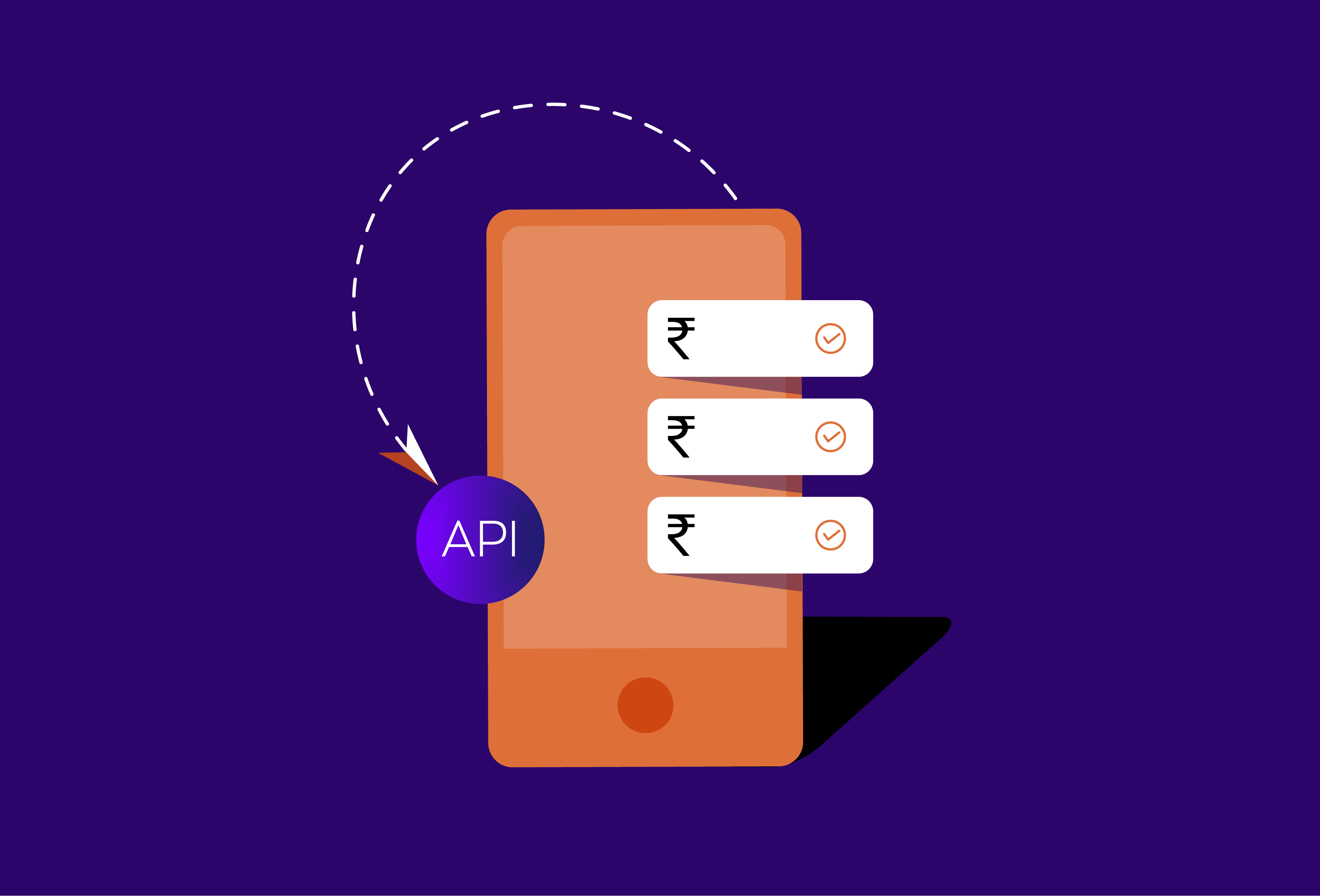
The gig economy in India is growing rapidly, with platforms connecting freelancers, delivery partners, and service providers to clients. Simultaneously, online marketplaces are scaling rapidly, managing hundreds of vendors and thousands of transactions daily. Traditional payment systems, such as manual bank transfers or batch settlements, often lead to delays, errors, and operational overhead.
Enter real-time payout APIs: a technology that automates payments, ensures compliance, and improves cash flow management. Whether you’re running a rideshare platform, an e-commerce marketplace, or a freelance gig portal, these APIs are becoming essential tools for efficiency and trust.
Why Real-Time Payout APIs Matter for Indian Marketplaces
1. Speed and Instant Liquidity
Gig workers and vendors rely on timely payments to manage daily expenses. Real-time payouts reduce waiting periods from days to minutes.
2. Automation Reduces Operational Burden
Marketplace platforms often handle multiple sellers, each with different payment schedules. Manual reconciliation is prone to errors.
3. Scalability with Bulk Payout Processing
When platforms grow, manual processing becomes unsustainable. Bulk payout APIs allow payments to hundreds or thousands of recipients in a single API call, saving hours of manual work.
How Marketplace Settlement Automation Works
Step-by-Step Breakdown
- Transaction Capture: The platform records order completion or service fulfillment.
- Earnings Calculation: Automated logic calculates commissions, applicable GST, and incentives.
- API Call: The system initiates a real-time payout API call to disburse the net amount to each vendor or gig worker.
- Confirmation & Audit: The API returns success or failure responses, creating a reliable audit trail for reconciliation.
Key Benefits:
- Reduced settlement errors through automation.
- Transparent payout records for vendors and service providers.
- Compliance-ready transaction logs for audits and reporting.
Best Practices for Implementing Payout APIs
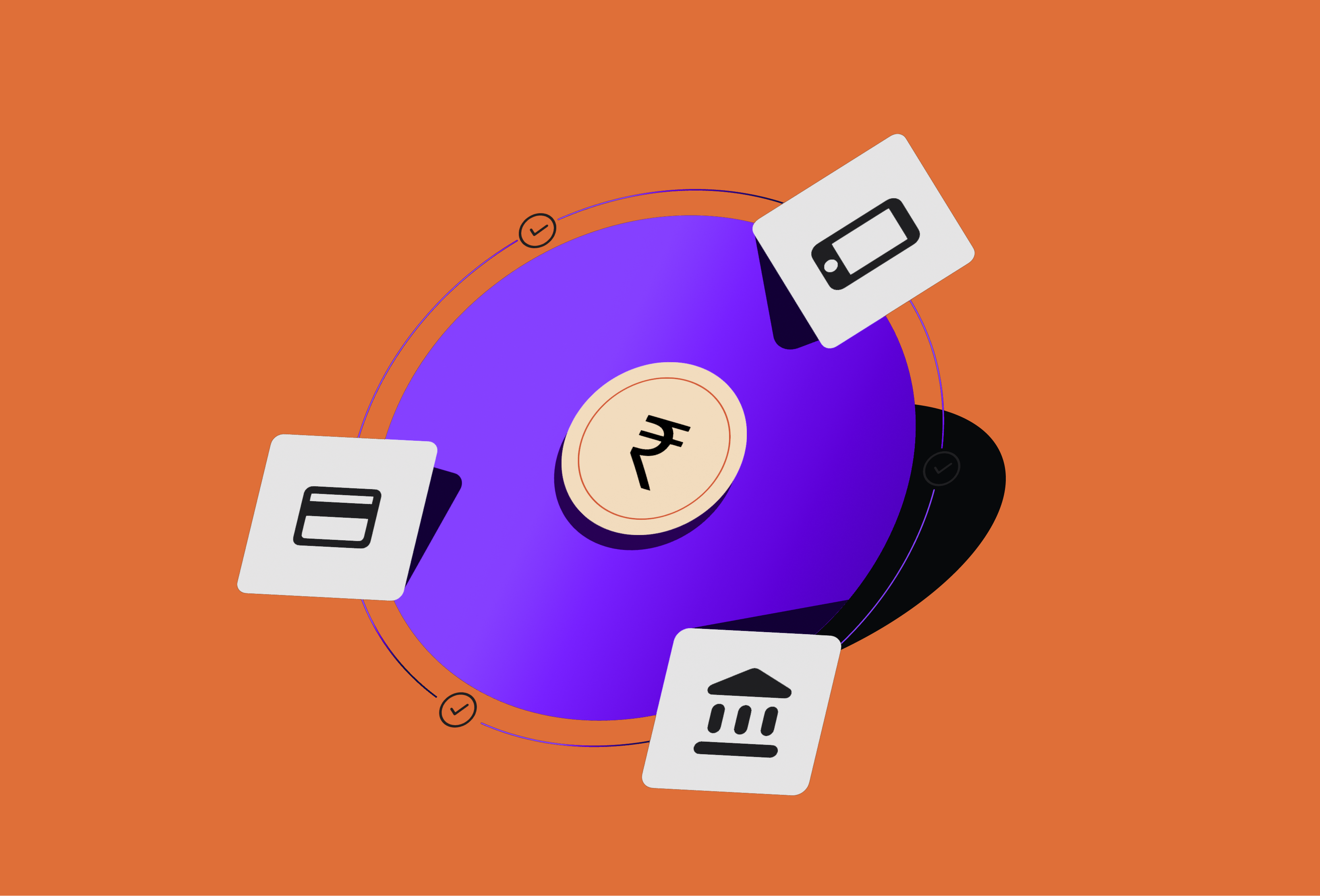
- Choose APIs with Multiple Bank Integrations: Supports most Indian banks and payment rails like UPI, NEFT, IMPS.
- Automate Reconciliation: Use APIs that provide detailed payout reports.
- Test with Sandbox Environments: Avoid errors in live transactions.
- Ensure Compliance: Follow RBI, GST, and KYC guidelines.
- Set Up Role-Based Approvals: Reduce fraud risk and misdirected payments.
Mistakes to Avoid:
- Manual overrides that bypass API validations.
- Delaying reconciliations due to batch-based processing.
- Incomplete audit trails or overlooked compliance obligations.
Pro Tips for Gig Worker Payments
- Offer instant or same-day payouts for high-frequency gig workers to improve retention and satisfaction.
- Implement tiered payout schedules based on transaction volume, risk profile, or verification status.
- Enable real-time notifications to inform recipients as soon as payments are credited.
Conclusion
As India’s gig economy and digital marketplaces continue to scale, payout operations are no longer just a backend function; they directly impact worker trust, vendor relationships, and platform efficiency. Manual transfers, delayed settlements, and fragmented reconciliation processes can quickly become bottlenecks as transaction volumes grow.
Real-time payout APIs help platforms move beyond these limitations by enabling faster settlements, automated reconciliation, and scalable bulk payouts, all while maintaining clear audit trails and regulatory alignment. For marketplaces and gig platforms, this shift is less about technology alone and more about building reliable, transparent, and future-ready payment workflows.
Platforms looking to modernise their payout infrastructure can explore Zwitch APIs to support these needs. With capabilities designed for real-time payouts, bulk disbursals, and automated settlement workflows, Zwitch enables marketplaces to simplify payment operations as they scale, without adding operational complexity.
Frequently Asked Questions (FAQs)
1. How can gig platforms benefit from payout APIs?
They reduce delays, automate reconciliation, and improve worker satisfaction, crucial for retention.
2. What is bulk payout processing?
Sending payments to multiple recipients in a single API call, saving time and reducing errors.
3. Are payout APIs compliant with Indian regulations?
Payout APIs are designed to support compliance with RBI, GST, and KYC requirements. However, platforms must implement them correctly and follow applicable regulations.
4. Can small businesses implement payout APIs?
Yes. Many modern payout APIs are SMB-friendly, scalable, and designed for straightforward integration.
5. Which payment methods do Indian payout APIs support?
UPI, IMPS, NEFT, RTGS, and sometimes prepaid wallets, depending on the provider.
6. How do payout APIs improve transparency?
Payout APIs provide detailed transaction logs and confirmation receipts for payments, allowing platforms and recipients to track transactions accurately.