Running a business today often means managing customers who pay on a subscription, whether it’s a local gym membership, a SaaS tool for your team, or a monthly e-commerce box. Managing recurring payments manually can be time-consuming, error-prone, and hard to scale.
This is where recurring billing automation comes in. By leveraging subscription payment APIs, businesses can automate billing cycles, handle failed transactions with intelligent retry logic, and maintain seamless cash flow—all while providing a smooth customer experience.
In this blog, we’ll explore how Indian businesses can simplify subscription management, best practices for automation, common pitfalls to avoid, and practical workflows for integrating recurring payment systems.
What is Recurring Billing Automation?
Recurring billing automation is the use of software or APIs to automatically charge customers on a set schedule, generate invoices, handle failed payments, and ensure compliance with payment rules.
For Indian SMBs, this means subscriptions can be managed efficiently without manual follow-ups, missed payments can be minimized, and accounting becomes simpler and easier to handle.
Why Indian Businesses Use Subscription Payment APIs
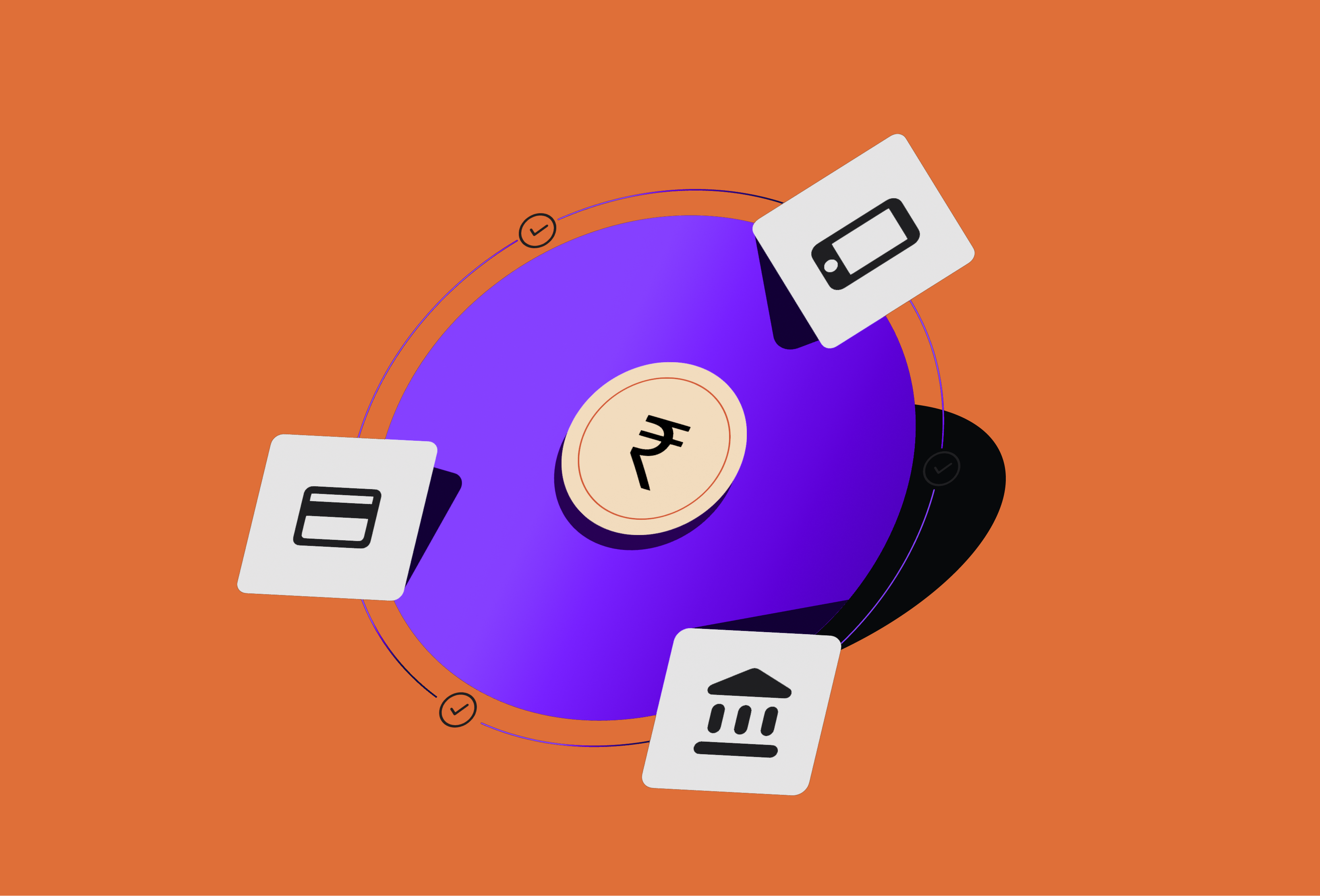
India’s digital payment ecosystem supports recurring transactions through UPI, cards, and wallets. Subscription payment APIs allow businesses to:
- Automate billing cycles: Automatically charge customers on the agreed schedule.
- Handle failed payments: Retry failed transactions without manual follow-up.
- Ensure compliance: Follow RBI and NPCI guidelines for recurring payments.
- Scale efficiently: Manage a growing number of subscribers with minimal manual work.
Core Components of Recurring Billing Automation
| Component | Purpose | Practical Tip for SMBs |
| Billing cycle management | Schedules payments and invoicing | Match cycles with customer usage or the subscription plan |
| Subscription payment APIs | Automates charging and settlements | Ensure APIs support multiple payment methods |
| Retry logic for failed payments | Attempts failed transactions automatically | Configure multiple attempts with clear communication to customers |
| Notifications and reminders | Alerts for successful, failed, or upcoming payments | Include simple payment instructions or links |
| Reporting and analytics | Tracks revenue, overdue payments, and subscription status | Use dashboards for quick insights |
How Recurring Billing Works Step by Step
- Customer subscribes: Provides payment details via UPI, card, or wallet.
- API triggers payment: Charges automatically on the billing cycle.
- Payment succeeds or fails: Success triggers invoices; failure activates retry logic.
- Retry logic executes: Attempts failed payments according to preset rules.
- Notifications: Customers are alerted to failed payments or renewals.
- Reconciliation: Payment status updates automatically in accounting systems.
Best Practices for Indian SMBs
- Align billing cycles with product usage or service delivery.
- Implement flexible retry logic for failed payments.
- Offer multiple payment options to suit diverse customer preferences.
- Automate notifications and reminders to improve collection efficiency.
- Ensure compliance with RBI and NPCI recurring payment guidelines.
Common Mistakes to Avoid
- Relying on manual tracking instead of automated subscription management.
- Not implementing a retry strategy for failed payments.
- Ignoring customer notifications for upcoming or failed transactions.
- Using the same billing cycle for all subscribers, regardless of their plan or usage.
- Poor API integration that creates reconciliation or accounting issues.
Integrating Recurring Billing APIs
- Choose an API provider supporting multiple payment methods.
- Define billing cycles and subscription plans.
- Configure retry logic for failed transactions.
- Set up automated notifications for customers.
- Test end-to-end workflows before going live.
Conclusion
Recurring billing doesn’t have to be complex or manual. With the right approach and APIs in place, Indian businesses can automate billing cycles, handle failed payments more effectively, and manage subscriptions with greater clarity and control.
By adopting reliable payment solutions such as those offered by Zwitch, Indian businesses can simplify recurring payment workflows and build a more resilient, future-ready billing infrastructure without adding unnecessary operational complexity.
FAQs
1. What is recurring billing automation?
It is the use of software or APIs to automatically charge customers on a predefined schedule and manage invoices, retries, and payment status.
2. What is retry logic for failed payments?
It is a predefined mechanism that retries failed transactions at set intervals before requiring customer intervention or pausing the subscription.
3. Can SMBs manage billing without APIs?
Yes, but manual billing increases operational effort, error risk, and delays as the subscriber base grows.
4. Are subscription APIs compliant with RBI regulations?
They can be compliant if implemented according to RBI and NPCI rules, including mandate registration, customer consent, and applicable authentication requirements.
5. How can failed payments be minimized?
By offering multiple payment options, using structured retry logic, and notifying customers promptly about payment issues.
6. Can recurring billing work for annual subscriptions?
Yes, recurring billing supports flexible cycles, including monthly, quarterly, and annual billing.
7. How do APIs improve subscription management?
They automate collections, reduce manual errors, and provide better visibility into payment status and subscription performance.